
Performance, Rentals & Rehearsal
Performance preparation involves the instrument, room, performer, schedule and technical support working together. This guide explains how to choose a piano for a special event in practical terms so owners, buyers, families, educators, performers and design professionals can make informed decisions.
Quick Answer
Start by defining the purpose. A piano selected for a beginning student may have different priorities than an instrument intended for advanced study, professional rehearsal, a formal living room, an event or an automated playback system. Room size, access, acoustics, furniture placement and the preferences of the player should be considered together.
Key Considerations
Condition matters as much as the name on the fallboard. On a previously owned piano, an experienced evaluation may consider the action, hammers, strings, tuning stability, soundboard, bridges, pinblock, pedals, cabinet, maintenance history and environment. A well-curated late-model instrument can offer an excellent combination of musical quality, contemporary design and value.
Tone and touch are personal. Some players prefer warmth and roundness; others seek clarity, projection or a more immediate response. Action weight and repetition can also influence comfort and control. Specifications narrow the field, but direct comparison in a quality showroom is the most useful way to understand these differences.
Room and Climate
South Florida conditions should be part of the plan. Stable air conditioning and humidity control help protect tuning stability, wood components, adhesives, felt and finishes. Pianos should be positioned away from direct sunlight, exterior doors, active air vents and sources of moisture whenever possible.
A Practical Planning Process
- Clarify your objective: Identify the player, setting, expected use and any design or technology requirements.
- Evaluate the instrument or service needs: Consider size, condition, sound, touch, room, access and South Florida climate factors.
- Compare appropriate options: Review suitable pianos or services and ask for a professional demonstration or evaluation.
- Plan the next step: Coordinate showroom time, delivery, rental, appraisal, technical service or installation as appropriate.
Delivery and service planning are also important. Doorways, elevators, stairs, flooring, turns and final placement should be reviewed before the move. After delivery, the instrument may need time to acclimate before tuning. Ongoing technical service can include tuning, regulation, voicing, cleaning, evaluation and system maintenance.
Professional Guidance and Available Services
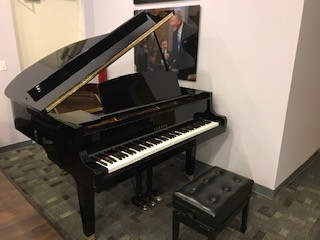
The Piano Gallery in Boca Raton offers a curated selection of late-model and previously owned premium pianos, new Schimmel instruments, QRS PianoMation installations, professional rentals, a rehearsal room with performance-quality pianos, technical service, educator and artist referrals, appraisals, consignment assistance and piano staging for qualified design firms and property showcases.
Related Piano Resources
Frequently Asked Questions
What should I consider first when learning about choose a piano for a special event?
Begin with the piano’s intended use, room, player experience, condition and long-term ownership needs. A showroom evaluation helps connect those factors to a suitable instrument or service.
Can The Piano Gallery help with choose a piano for a special event?
The Piano Gallery can help visitors explore appropriate pianos and coordinate services such as rentals, rehearsal space, technical service, evaluations, appraisals, consignment, staging and QRS PianoMation installations when relevant.
Why is an in-person piano evaluation helpful?
Tone, touch, scale, cabinet condition and room response are difficult to judge from specifications alone. Playing and hearing an instrument in person provides a more complete basis for a decision.
How does South Florida’s climate affect this topic?
Humidity, air-conditioning patterns, storms and transport conditions can affect piano stability and service needs. Consistent indoor conditions and qualified technical care are important.